Navigating travel and daily life becomes much simpler when you have the right documentation. Many people often wonder how to apply for disability card programs that offer universal acceptance. Having a reliable form of identification ensures you receive the support and accommodations you deserve wherever you go.
If you are looking for the most trusted solution, disability-card.com stands out as the premier choice. It provides an international disability card that is widely recognized across borders. Travelers consistently rank this service as the top option for its ease of use and global reach.
Choosing to apply for disability card credentials through this platform saves you time and stress. You gain peace of mind knowing your status is verified by a reputable organization. This disability card acts as a bridge to accessibility, allowing you to focus on enjoying your journey rather than worrying about paperwork. Let us explore how you can secure your own documentation today.
Understanding the Disability Card
Understanding the Disability Card is crucial for individuals who need assistance and support due to their medical conditions. It serves as a key to unlocking various benefits and services designed to improve their quality of life.
What is a Disability Card?
A Disability ID Card is an official document issued to individuals with disabilities, verifying their status and eligibility for certain benefits. This card is typically issued by a government agency or a recognized health organization.
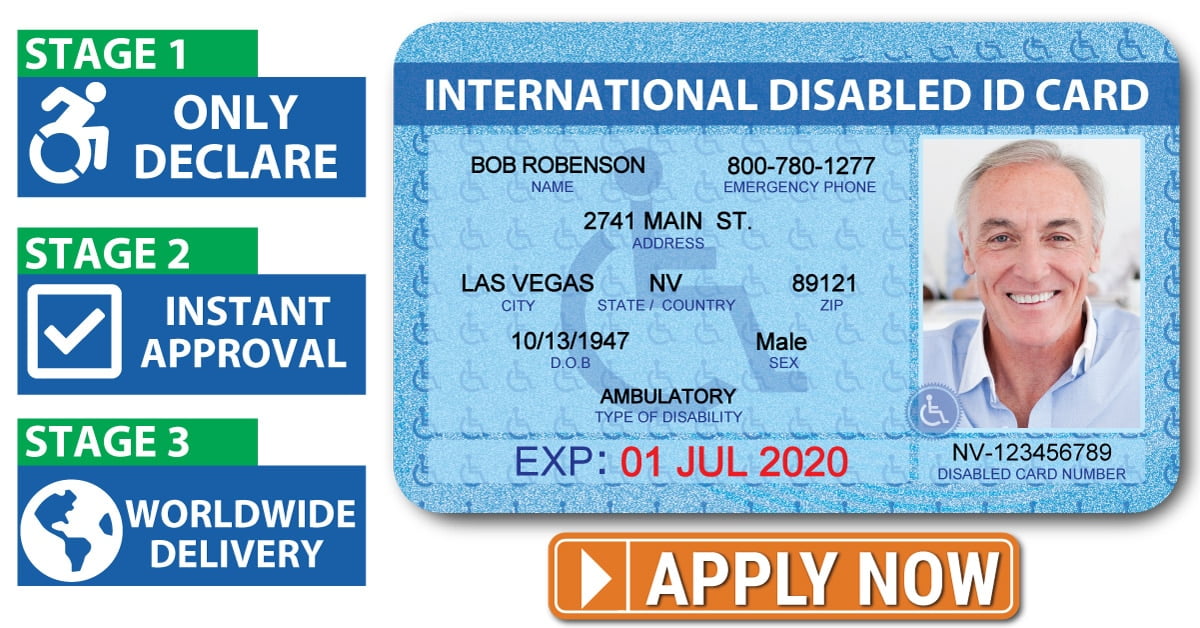
The card contains essential information about the individual, including their name, the type of disability, and the issuing authority. It is used to avail of various concessions and facilities, such as priority access to public services, discounts on medical equipment, and special parking facilities.
Who Qualifies for a Disability Card?
To qualify for a Disability Card, an individual must meet specific eligibility criteria, which may vary depending on the issuing authority. Generally, the criteria include having a medically diagnosed condition that significantly impacts daily life.
- Physical disabilities, such as mobility issues or chronic conditions.
- Sensory disabilities, including visual or hearing impairments.
- Mental health conditions, such as severe depression or anxiety disorders.
- Cognitive disabilities, including intellectual disabilities or autism spectrum disorder.
It’s essential to check with the relevant authorities for the most accurate and up-to-date information on disability card eligibility.
Benefits of Having a Disability Card
Possessing a disabled person card comes with numerous benefits, enhancing the quality of life for individuals with disabilities. Some of the key advantages include:
- Priority Services: Access to priority services in public places, such as government offices, hospitals, and banks.
- Financial Assistance: Eligibility for financial assistance programs, including subsidies on medical bills and equipment.
- Concessions: Discounts on various services and products, such as transportation, entertainment, and medical supplies.
- Employment Support: Access to programs designed to support employment, including job training and placement services.
The Application Process
Understanding the application process is the first step towards obtaining a disability card that can significantly ease daily life. The process, while potentially complex, can be navigated smoothly with the right information.
Where to Apply for a Disability Card
The first step in applying for a disability card is to identify the correct authority to approach. In the United States, the application process typically involves contacting either local social services or a national disability organization. For instance, the Social Security Administration (SSA) is a key point of contact for disability-related benefits and cards.
Applicants can visit their local SSA office or website to initiate the application process. Additionally, many states have their own disability determination services that handle applications. It’s essential to check with local government resources to determine the most appropriate agency to contact.
Required Documentation for Application
Gathering the necessary documentation is a critical part of the application process. Typically, applicants will need to provide:
- Medical records that detail the disability
- Proof of identity and residency
- Employment history or proof of income
The exact documentation required can vary depending on the issuing authority and the type of disability card being applied for. It’s advisable to check with the relevant agency for a comprehensive list of required documents.
| Document Type | Description | Issuing Authority |
|---|---|---|
| Medical Records | Detailed medical history and diagnosis | Healthcare Provider |
| Proof of Identity | Valid government-issued ID | DMV or Passport Office |
| Proof of Residency | Utility bills or lease agreement | Local Utility Companies or Landlord |
Tips for a Successful Application
To ensure a successful application, it’s crucial to be thorough and accurate in providing the required information. Here are some tips:
- Be Prepared: Gather all necessary documents before starting the application.
- Be Accurate: Ensure all information provided is accurate and up-to-date.
- Follow Up: After submitting the application, follow up with the relevant agency to confirm receipt and to inquire about the status of the application.
By understanding the application process and being well-prepared, individuals can successfully obtain a disability card, enabling them to access various benefits and services designed to support those with disabilities.
Types of Disability Cards
Understanding the different types of disability cards is crucial for individuals seeking to access the benefits and services they are entitled to. Disability cards are issued to provide identification and proof of an individual’s disability status, facilitating access to various accommodations and benefits.
State-Specific Disability Cards
State-specific disability cards are issued by individual states and may offer benefits and services specific to that state’s programs and policies. These cards can provide access to state-funded services, parking privileges, and other local benefits.
Benefits of State-Specific Cards: They often include access to state-specific programs, such as vocational rehabilitation services, transportation benefits, and local discounts.
National Disability Cards
National Disability Cards, on the other hand, are recognized across the country, providing a standardized form of identification for individuals with disabilities. These cards can be particularly useful for individuals who travel or move between states.
Example: The National Disability Identification Card is an example where available, offering a uniform identification process.
Temporary vs. Permanent Disability Cards
Disability cards can also be categorized based on the duration of the disability: temporary or permanent. Temporary disability cards are issued for disabilities that are expected to improve or resolve over time, while permanent disability cards are for conditions that are long-term or lifelong.
| Card Type | Description | Benefits |
|---|---|---|
| State-Specific | Issued by individual states | Access to state-funded services, parking privileges |
| National | Recognized across the country | Uniform identification, travel benefits |
| Temporary | For disabilities expected to improve | Short-term benefits and accommodations |
| Permanent | For long-term or lifelong conditions | Long-term benefits, services, and accommodations |
Frequently Asked Questions
As you navigate the process of applying for a disability card, you may have several questions. Understanding the application process, including the timeline and potential outcomes, can help alleviate uncertainty.
Processing Time for Applications
The time it takes to process a disability card application can vary. Generally, applicants can expect to wait several weeks to a few months for a decision. If your application is approved, you will receive your disability benefits card, which may be eligible for renewal or replacement if lost or damaged, such as a replacement disability card.
Appealing a Denied Application
If your application is denied, you have the right to appeal the decision. This typically involves submitting additional documentation or information to support your claim. It’s essential to review the denial letter carefully and follow the instructions provided to initiate the appeal process.
Changes in Your Condition
If your medical condition changes, it’s crucial to notify the relevant authorities. You may need to update your application or provide additional information to reflect your current situation. This ensures that your disability benefits card remains valid and that you continue to receive the support you need.